How long do dental implants last is the first question most people ask once they get past the cost, and it deserves a real answer rather than “a lifetime.”
The honest version: the implant itself, the titanium post in the bone, very often lasts the rest of your life. The crown on top usually does not. And how long either one lasts depends more on what you do at home than on anything we do in the clinic. Here is the breakdown.
An implant is three parts, and they age differently
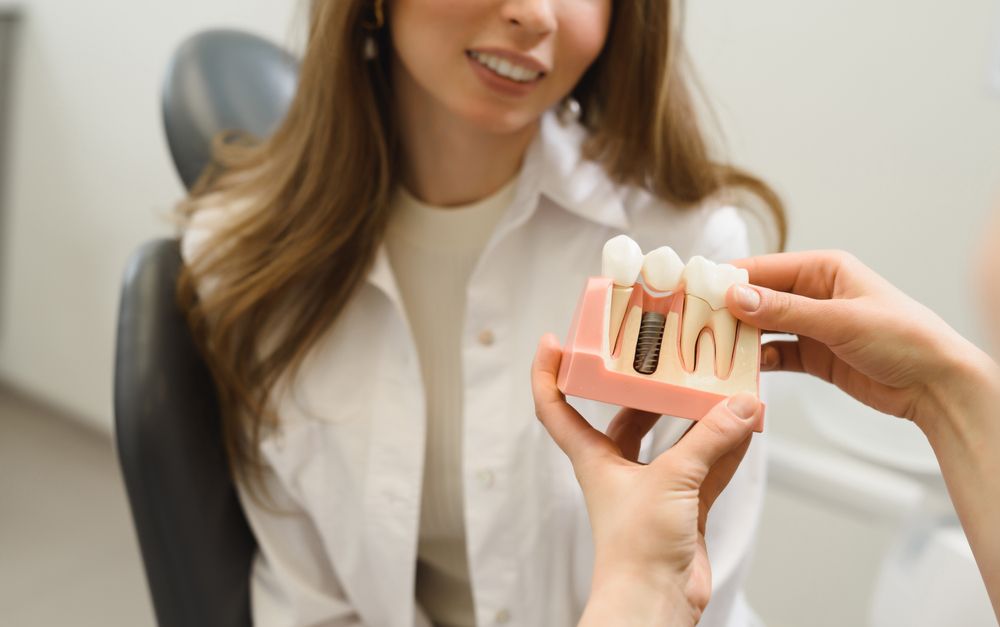
People say “implant” to mean the whole tooth, but a dental implant is actually three pieces:
- The implant post. A titanium screw placed in the jawbone, which fuses with the bone over several months. This is the foundation.
- The abutment. A connector that sits on top of the post and holds the crown.
- The crown. The visible tooth, usually ceramic.
The post is the part designed to last for decades. Once it has fused with the bone, it behaves much like a natural tooth root. Long-term studies published in the dental literature report survival rates for the implant post above 90 percent at 10 years, and many implants placed in the 1980s and 1990s are still in service.
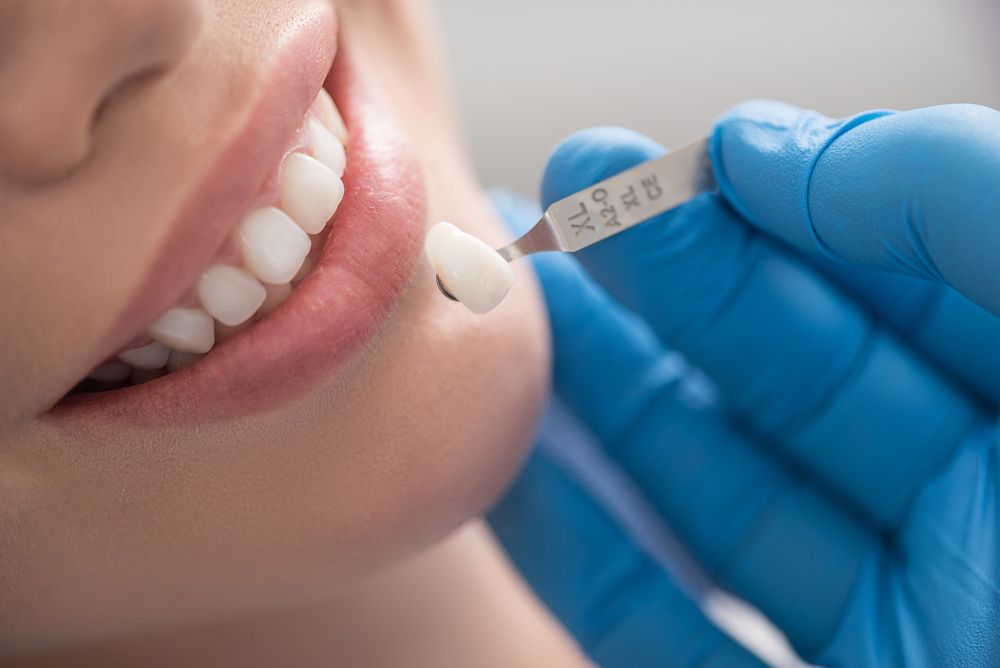
The crown lives a harder life. It takes every bite, every clench, every night of grinding. A well-made implant crown typically lasts 10 to 15 years before it wears, chips, or needs replacing. Replacing a crown does not mean replacing the implant; the post stays where it is and a new crown is made for it. We make many of these with the same CEREC same-day crown process used for natural teeth.
What shortens the life of an implant
Implants do not get cavities, which leads some patients to assume they need less care. The opposite is true. The main threat to an implant is a gum infection around it called peri-implantitis, and it is driven by the same plaque that causes gum disease around natural teeth.
The things that most often cause an implant to fail early:
- Smoking. This is the single biggest risk factor. Smoking reduces blood flow to the gums and bone, slows healing after placement, and roughly doubles the failure rate in most studies.
- Poor home care. Plaque left around the implant leads to inflammation, then bone loss, then a loose implant. Flossing around an implant matters more, not less.
- Uncontrolled diabetes. Poorly managed blood sugar impairs healing and raises infection risk. Well-controlled diabetes is not a barrier.
- Grinding and clenching. Constant heavy force can loosen components or fracture the crown. A nightguard is cheap insurance.
- Skipping check-ups. Bone loss around an implant is painless at first. By the time it hurts, options are limited. Regular dental visits and cleanings are where we catch it early.
What helps an implant last
The good news is that the list of things that protect an implant is short and familiar.
- Brush twice a day, including around the implant crown and along the gumline
- Floss daily, or use an interdental brush or water flosser if floss is awkward around the implant
- Wear a nightguard if you grind
- Keep hygiene visits every six months so we can measure the bone level and clean below the gumline
- Do not smoke, or stop before placement and through healing
Patients who do those things routinely keep their implants for 25 years and longer.
Implants compared with the alternatives
When you are weighing whether an implant is worth it, lifespan is where the math changes.
- Bridge. A three-unit bridge replacing one tooth typically lasts 10 to 15 years, and it requires grinding down the two healthy neighbouring teeth to support it. When the bridge fails, those teeth are often compromised.
- Partial or full denture. Dentures usually need relining every few years and replacing every five to ten as the jaw changes shape underneath them. They also do nothing to stop the bone loss that follows tooth loss.
- Implant. Higher cost up front, but the post is typically a one-time procedure and it preserves the surrounding bone.
For patients missing many teeth, implant supported dentures are a middle path: a denture anchored to two or more implants, which stops the shifting and preserves bone in a way a conventional denture cannot.
Age is not the deciding factor
We are regularly asked whether a patient in their 70s or 80s is too old for an implant. Age itself is not a barrier. What matters is overall health, bone volume, and the ability to keep the area clean. Some of our most successful implant patients are retirees who have the time and motivation to look after them.
The one group for whom we do wait is younger patients whose jaws are still growing, since an implant placed too early can end up out of position as the jaw develops. That usually means waiting until the late teens or early twenties.
What happens if an implant does fail
It is uncommon, but it happens, and it is not the end of the road. A failed implant is removed, the site is allowed to heal (sometimes with bone grafting), and a new implant can usually be placed after several months. Early failures, in the first year, are most often related to healing. Late failures are almost always peri-implantitis, which is why the home care and check-up advice above is not optional.
What we do at Beausejour Dental Centre
Implant treatment here is planned with 3D imaging and a digital scan, placed in the same clinic, and restored with a crown made on site. You do not need to travel to Winnipeg for the surgery and back again for the crown. Details are on our dental implants page, and the Canadian Dental Association has a plain-language overview of implant treatment if you want a second source.
Frequently asked questions
Can a dental implant last a lifetime?
The titanium post often does. With good home care, no smoking, and regular check-ups, many implants placed 30 years ago are still functioning. The crown on top typically needs replacing every 10 to 15 years, which is a much smaller procedure.
Do dental implants need special cleaning?
Not special, but consistent. Brush twice daily including around the implant, floss or use an interdental brush every day, and keep six-month hygiene visits so bone levels can be monitored. Implants fail from gum infection, not decay, so the gumline is the priority.
What is the failure rate of dental implants?
Most long-term studies put implant survival at over 90 percent at 10 years, and higher in non-smokers with good oral hygiene. Early failures are usually healing-related; late failures are almost always from infection around the implant.
Find out if an implant is right for you
If you are missing a tooth or tired of a denture that moves, an implant consultation in Beausejour takes one visit and includes 3D imaging. Call 204-268-1782 or book online.