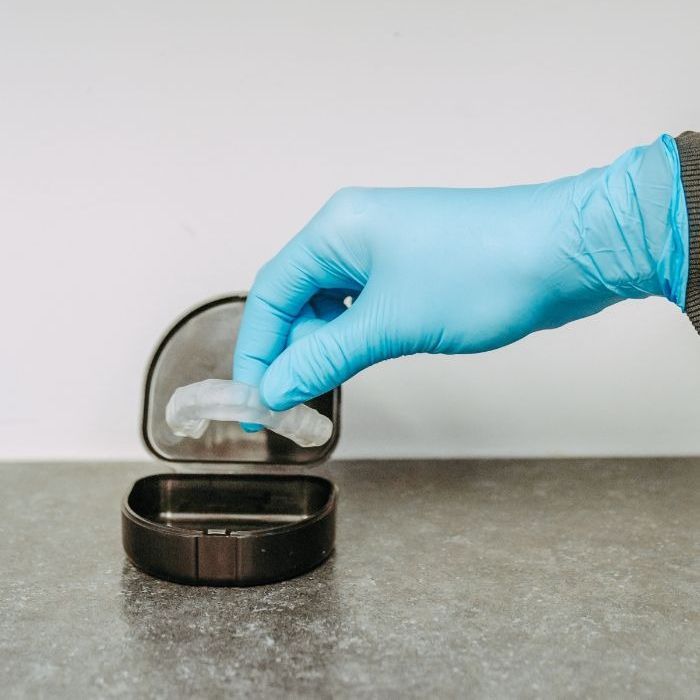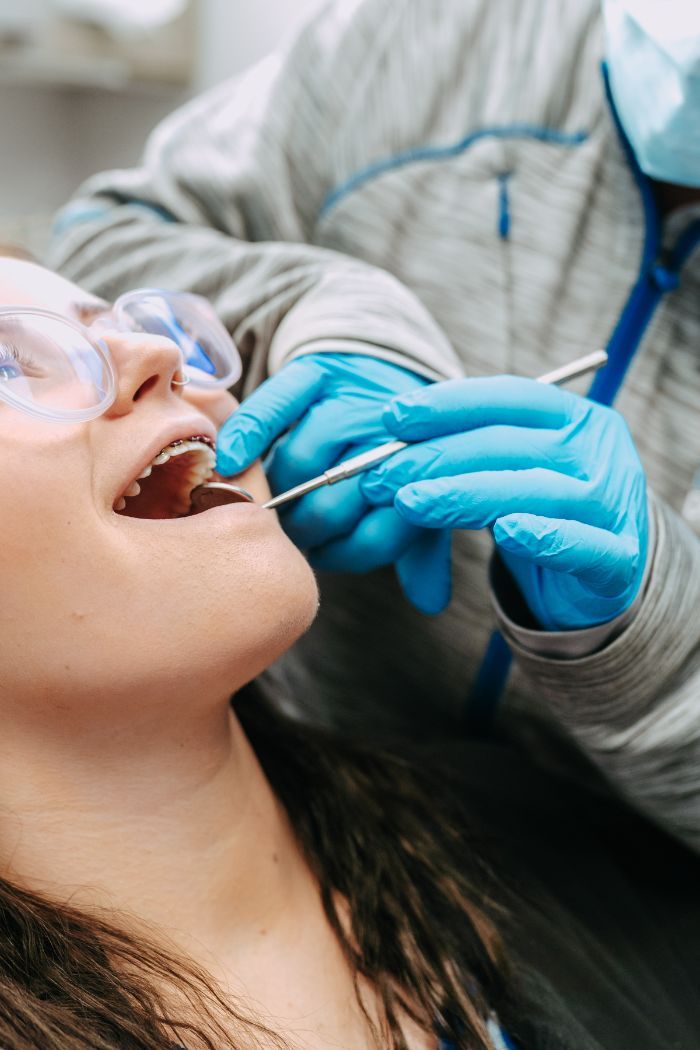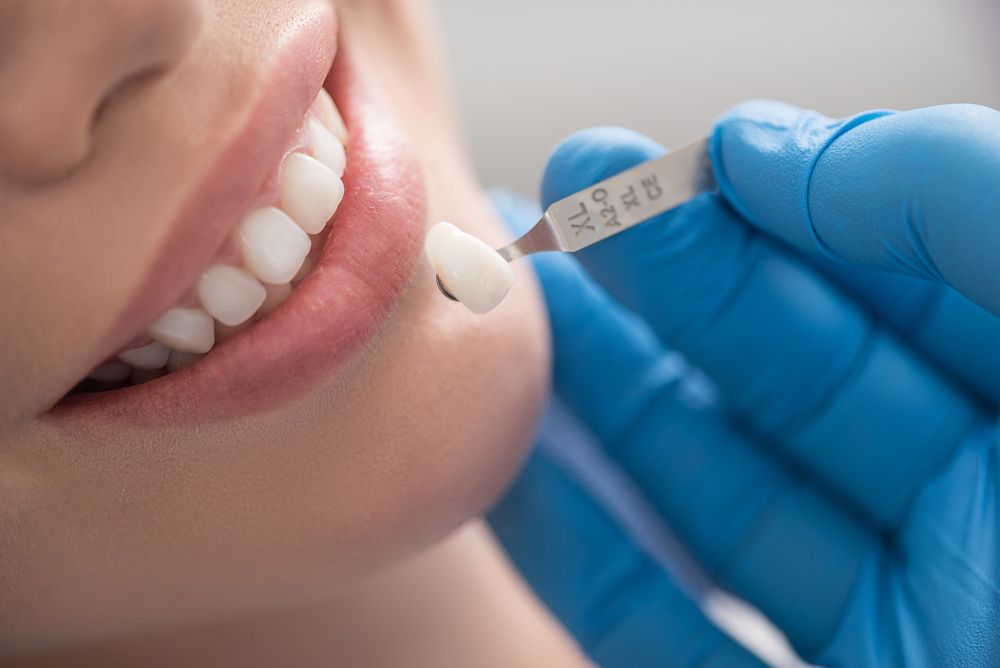

Dental bonding is a non-invasive procedure that adheres a composite (tooth colored) resin to the surface of your teeth. It helps to create a brighter, more aesthetically pleasing smile without the use of prosthetics like dentures and tooth implants.
This procedure is most commonly used to treat teeth that are cracked, decayed, or discolored. It can also be used to make teeth appear longer and close spacing between teeth.
Did you know?
Dental bonding is one of the most affordable and quick cosmetic procedures that can be done to improve the appearance of your smile. In fact, within one visit you could get a more attractive smile and a boost in self-confidence!
Frequently Asked Questions
Am I a candidate for dental bonding?
Dental bonding is a great option for individuals who want an attractive smile, but do not want to undergo an invasive procedure like dental implants. If you have minor chips, cracks, and fractures in your teeth, discolored teeth, or decay that can be built upon, dental bonding might be a great option for you.
Ultimately, it’s important to consult with the dentist to determine if you’re a candidate.
How do I care for dental bonding?
Teeth that have undergone dental bonding can still be stained from things like coffee and tea. To avoid this, it’s advisable to avoid drinking any of these beverages for at least 48 hours after undergoing the procedure. Additionally, you can extend the life of your bonding by brushing regularly and visiting the dentists every six months.
How long does dental bonding last?
With good care, bonding typically lasts five to ten years before needing touch-ups. Avoiding habits like chewing ice or biting nails, and keeping up regular hygiene visits, extends its life. When it does wear, bonding is straightforward to repair or refresh.
Will bonded teeth stain?
Bonding resin can pick up stains from coffee, tea, and red wine more readily than natural enamel. We recommend avoiding heavily pigmented food and drink for the first 48 hours, and moderating them afterward, to keep the colour matched to your smile.
Is bonding better than veneers?
They solve different problems. Bonding is faster, more affordable, and completely reversible, ideal for small chips, gaps, and discolouration. Veneers cost more but last longer and resist staining better. We help you weigh both against your goals and budget.