You wake up and something is wrong. The side of your face feels tight. There is a throb in your jaw that was uncomfortable yesterday and is now the only thing you can think about. Maybe there is swelling you can see in the mirror, a bad taste at the back of your mouth, or pain that runs from a tooth up into your ear. That combination almost always means one thing: an infection has built up around the root of a tooth, and you are looking at the early hours of needing abscessed tooth treatment. Here is what it actually is, why ignoring it is the wrong move, and what treatment in Beausejour really involves.
What an abscessed tooth actually is
A tooth abscess is a pocket of pus that forms when bacteria reach the soft tissue inside the tooth or the gum and your body tries to wall the infection off. The most common kind starts inside the tooth itself. A deep cavity, a crack, or an old failing filling lets bacteria reach the pulp, the pulp dies, and the infection drains out through the tip of the root into the surrounding bone. Another kind starts in a deep gum pocket rather than inside the tooth. Both are infections, both hurt, and both need treatment.
The pus is the body’s defense, not the cure. As HealthLink BC describes, the abscess forms when pus cannot drain on its own, and the infection keeps going until something releases it. That something is a dentist.
How to tell if you might have one
Abscesses can flare suddenly or build for weeks. Signs people describe most often include:
- A throbbing, constant toothache that gets worse when you lie down
- Pain that radiates into the jaw, the ear, or the side of the neck
- Swelling in the gum, the cheek, or the side of the face
- A small bump on the gum that may ooze a bad-tasting fluid
- A tooth that feels loose, taller than the others, or extremely sensitive to pressure
- Bad breath or a constant bad taste that brushing does not fix
- Fever, chills, or feeling generally unwell
One thing that catches people off guard: sometimes the pain stops. That is not the infection clearing. It usually means the nerve inside the tooth has died, and the infection is still spreading silently into the bone. If the pain disappeared but the swelling stayed, you still need to be seen.
Why you can’t wait it out
A dental abscess will not resolve on its own. It is one of the few dental problems where waiting actively makes things worse rather than just delaying a fix. The American Dental Association’s patient information is direct about this: abscessed teeth need treatment, and antibiotics from a walk-in clinic might quiet the symptoms for a few days but will not fix what is actually wrong.
There is a serious side to this too. The bone, sinuses, and tissues around your teeth connect to the rest of your head and neck. Untreated dental infections can spread, and in rare cases they become medical emergencies rather than dental ones. That is uncommon, but it is real, and it is the reason we never tell anyone with a suspected abscess to wait until next month.
If you also have a fever, trouble swallowing, trouble breathing, or swelling that is spreading toward your eye or down your neck, treat that as a medical emergency and go to a hospital. Otherwise, call us.
What abscessed tooth treatment actually involves
The first job is always to drain the infection and stop it from spreading. After that, the treatment depends on what shape the tooth is in. There are usually three paths.
Drainage and antibiotics
For most abscesses we can drain the pus directly through a small opening in the gum or through the tooth itself. The relief from this is often immediate and dramatic. Antibiotics are sometimes prescribed alongside drainage, particularly if there is significant swelling or any sign the infection is spreading. Antibiotics alone, without drainage, are not a fix. They buy time at best, and they should not be the end of the plan.
Root canal therapy
If the tooth itself can be saved, the next step is usually a root canal in Beausejour. The infected pulp is removed, the inside of the tooth is cleaned and disinfected, and the canals are sealed so bacteria cannot return. A crown usually goes on top afterward to protect the tooth long term. This is the option we lean toward whenever the tooth has enough healthy structure left, because keeping your own tooth is almost always the better outcome.
Extraction
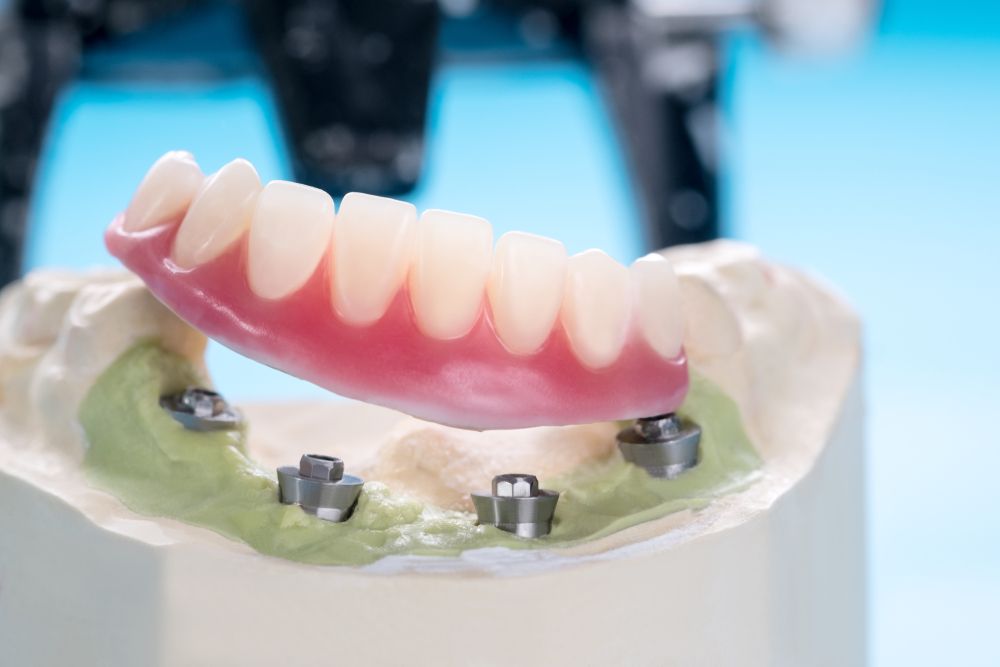
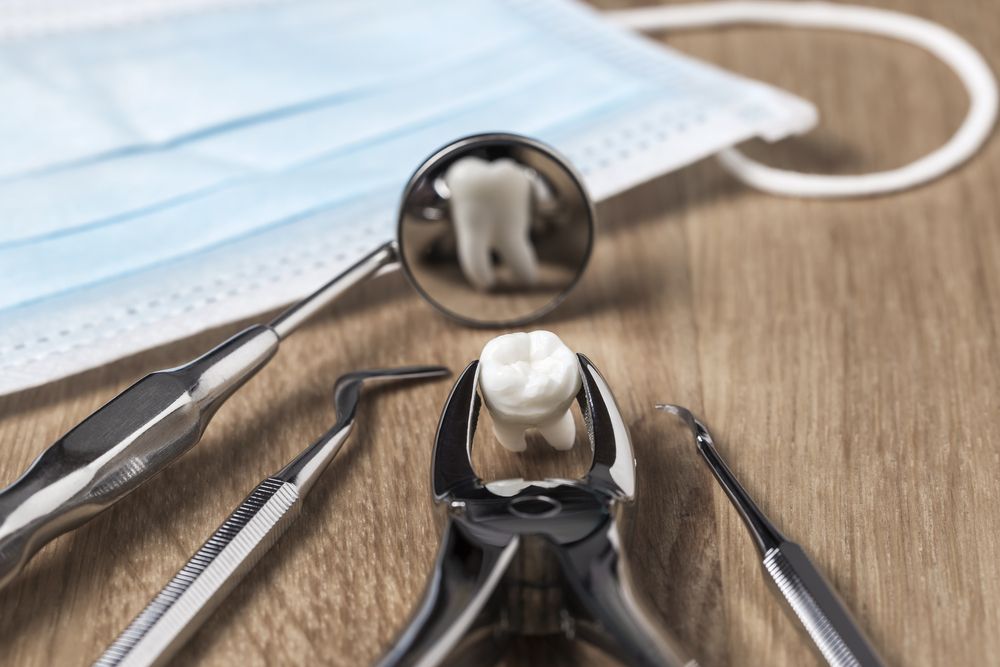
If the tooth is too damaged, cracked below the gum line, or has failed previous treatment, the right call is to remove it. We will be honest with you about that. After extraction the gap can be restored with an implant or a bridge, and that conversation can happen once the infection is gone and the area has healed.
You can read more about this on the service page for abscessed teeth.
Easing the pain until your appointment
While you wait to be seen, a few things genuinely help and a few things commonly tried do not. What helps:
- Over-the-counter pain relief like ibuprofen, taken at the dose on the label
- Sleeping with your head slightly elevated, which reduces the throbbing
- Cold compresses on the cheek in short sessions
- Warm salt-water rinses, gentle, several times a day
- Sticking to soft, cool foods and chewing on the other side
What to avoid: heat directly on the swelling, leftover antibiotics from a previous prescription, and waiting to see if it gets better on its own. None of those are a substitute for being seen.
Getting abscessed tooth treatment in Beausejour
This is exactly the kind of problem we want our patients to call about rather than tough out. Beausejour Dental Centre has handled abscessed teeth, dental infections, and dental emergencies for local families for decades, and we keep room in the schedule for urgent care so people are not stuck driving to Winnipeg with a swollen face.
We know dental anxiety often runs higher when something hurts. Tell the front desk that the tooth is throbbing and that you are nervous. We will work at a pace that suits you, freeze the area fully before doing anything, and explain each step before it happens. None of this is something you should be embarrassed to ask for.
If a tooth has been hurting, the swelling has come up, or you suspect an abscess is forming, the right move is to get in. The longer it goes, the smaller the menu of options becomes.
Can a tooth abscess heal on its own?
No. A tooth abscess is an active bacterial infection that has nowhere to drain. The pain may come and go, and the swelling may rise and fall, but the underlying infection keeps spreading until a dentist drains it and treats the tooth. Abscessed tooth treatment is the only reliable way to resolve it.
Will antibiotics alone clear a tooth abscess?
Antibiotics can quiet the symptoms for a few days, which is why a walk-in clinic may prescribe them while you wait to see a dentist. They do not cure the abscess. The source of the infection is inside or alongside the tooth, and antibiotics generally cannot reach it well enough to clear it. The tooth still needs to be treated.
How much does abscessed tooth treatment cost?
It depends on which treatment the tooth needs. Drainage alone is the least involved. Root canal therapy plus a crown is more, and an extraction followed by an implant or bridge is more again. We give a clear estimate before treatment begins, and where appropriate we will lay out staged options so the urgent infection gets handled first and the longer-term restoration can be planned around your situation.
How long is recovery from abscessed tooth treatment?
Most patients feel dramatically better within 24 to 48 hours of the abscess being drained, often within the same day. Tenderness around the area is normal for two or three days afterward and responds well to over-the-counter pain relief. If you have a root canal, you can usually return to work or school the next day, with some chewing care on that side until the permanent crown is in place.
Is abscessed tooth treatment painful?
Most of the pain comes from the infection itself, not the treatment. The area is fully frozen before any work begins, and patients are often surprised by how much relief they feel once the pressure is drained. For nervous patients, we explain each step before it happens and work at a pace that suits you. Tell us beforehand if you are anxious and we will adjust accordingly.