Nobody arrives at dentures casually. By the time this conversation happens, there have usually been years of repairs, extractions, and teeth that finally cannot be saved. So this post skips the brochure gloss and answers the questions people actually have about getting dentures in Beausejour: what the process involves, how the adjustment really feels, and when implant-supported options are worth the extra investment.
The short version: modern dentures restore eating, speech, and a natural-looking smile, and the whole process from consultation to final fit happens here in town. Expect a genuine adjustment period of several weeks. Traditional dentures work well for many people; implant-supported dentures cost more up front but solve the stability problems that frustrate denture wearers most.
The Types of Dentures We Provide
Partial dentures replace some missing teeth and clip to the natural teeth around them. They keep remaining teeth from drifting into the gaps, which matters more for long-term bite health than most people realize. A partial today often prevents the more complicated bite problems that make a complete denture harder to fit later.
Complete dentures replace a full arch, upper or lower. Uppers tend to fit securely through natural suction against the palate. Lowers have less to hold onto, which is why lower complete dentures generate most of the complaints you have heard about slipping.
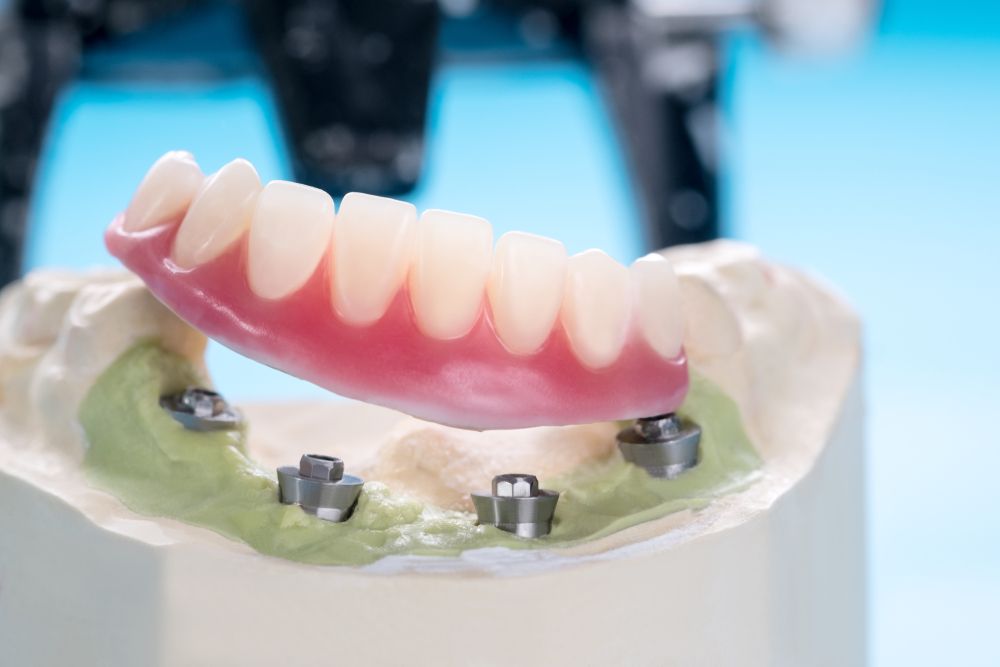
Implant-supported dentures snap onto two or more dental implants placed in the jaw. They do not slip, they let you bite with far more force, and they slow the jawbone loss that follows tooth removal. The implant-supported dentures page covers the details, and we will be straightforward at the consult about whether your case justifies the difference in cost.
Getting Dentures in Beausejour: How the Process Works
The path from consultation to finished denture typically involves several appointments over a few weeks:
- Exam and planning. We assess remaining teeth, gum health, and bone, and settle the type of denture that fits your mouth and your budget. If extractions are needed, healing time gets built into the schedule.
- Impressions and measurements. Precise moulds and bite records shape a denture that matches your mouth rather than a generic one.
- Try-in. You preview the denture in wax, and the shade, shape, and fit get adjusted before anything is final. This is the stage to be picky, so be picky.
- Fitting and follow-ups. The finished denture goes in, and one or two short follow-up visits smooth out sore spots as your mouth adapts.
Every step happens at the clinic. There is no driving to Winnipeg for the lab work stages, which matters when a sore spot needs a five-minute adjustment in week two.
The Adjustment Period, Honestly
The first few weeks are work, and pretending otherwise sets people up to think something is wrong when it is not.
Expect extra saliva at first, some sore spots (come in, they take minutes to fix), and a learning curve for speech. Reading aloud for ten minutes a day fixes the “s” and “th” sounds faster than anything else. Eating starts with soft foods cut small, chewed on both sides at once, and works up from there. Most people are eating comfortably and speaking normally within three to six weeks.
Two honest limitations. Biting force with complete dentures is a fraction of natural teeth, so corn on the cob and whole apples become knife-and-fork foods. And the jawbone slowly changes shape under a denture, which is why relines every few years, and eventual replacement, are part of the deal. The Canadian Dental Association has good guidance on living with dentures if you want further reading.
On cost: partials and completes span a wide range depending on materials and complexity, and implant-supported options are a step up from there. Many insurance plans cover a meaningful portion of standard dentures. You will leave the consultation with written numbers for each route you are actually considering, not a shrug and a range.
Caring for Dentures in Beausejour
- Remove and rinse after eating when you can
- Brush the denture daily with a soft brush and denture cleaner, not regular toothpaste, which is too abrasive
- Soak overnight in water or denture solution; dentures that dry out warp
- Take them out while you sleep to let your gums rest
- Keep regular checkups, since gums and any remaining teeth still need monitoring
Frequently Asked Questions about Dentures in Beausejour
How long does it take to get used to new dentures?
Most people need three to six weeks before eating and speaking feel natural. Sore spots in the first weeks are normal and fixable with quick adjustment visits. If discomfort persists beyond that window, the fit needs attention, not more patience.
Should I sleep with my dentures in?
No. Gums need hours out from under the denture each day to stay healthy, and overnight is the natural slot. Sleeping in dentures regularly is linked with gum irritation and higher rates of oral infections.
How long do dentures last?
Typically five to ten years. Your jawbone slowly changes shape over time, so dentures need periodic relines to keep fitting well, and eventually replacement. An annual check keeps the fit from drifting into sore spots and slipping.
Can I eat normally with dentures?
Mostly, after the adjustment period. Start soft, cut food small, and chew on both sides. Very hard, sticky, or chewy foods stay difficult with traditional dentures. Implant-supported dentures restore much more biting force if eating freely is a priority.
Are implant-supported dentures worth the extra cost?
For lower dentures especially, often yes. Lower complete dentures are the ones that slip, and implants solve that completely while also slowing bone loss. It is a bigger investment up front against daily comfort for years. The consult will give you real numbers to decide with.
The Takeaway
Dentures are not what they were in your grandparents’ era, but they still reward realistic expectations: a few weeks of adjustment, ongoing care, and honest conversations about whether implants should anchor them. All of it can happen here in town, from first impression to final fit.