
That zing when the morning coffee hits one particular tooth. Most people file it under “probably nothing” for a few months. Sometimes it is nothing. Often it is the first polite warning of a cavity, and cavities do not stay polite.
The short version: cavities are permanently damaged areas of enamel caused by acid from plaque bacteria. They are the most common chronic dental problem in both kids and adults, they do not heal on their own once a hole forms, and they are cheap and easy to treat early and expensive to treat late.
What Causes Cavities?
Cavities are a chemistry problem before they are a dental problem. Bacteria in plaque feed on sugars and starches from food and produce acid. That acid strips minerals from enamel. Saliva and fluoride push minerals back in. When the acid attacks outpace the repair, enamel breaks down and a cavity forms.
The usual contributors:
- Plaque buildup from inconsistent brushing and flossing
- Frequent sugar exposure, especially sipping pop, juice, or sugared coffee over hours, which keeps acid levels high all day
- Snacking patterns that never give saliva a chance to recover
- Dry mouth, often from medications
- Skipped checkups, which let early decay grow unnoticed
Notice that frequency matters more than quantity. A can of pop with lunch is one acid attack. The same can nursed over an afternoon is a four-hour one.
Common Symptoms of Cavities
Early cavities usually have no symptoms at all, which is why they get found at checkups rather than at home. As decay progresses, watch for:
- Sensitivity to cold, hot, or sweet foods
- A toothache, either constant or when biting down
- Visible dark spots, brown staining, or a hole you can feel with your tongue
- Pain that lingers after eating or drinking
Pain that shows up on its own, without a trigger, usually means the decay is close to or into the nerve. That is worth a call this week, not this quarter.
Adults get a second wave of cavity risk that catches people off guard. Old fillings wear at the edges and let decay sneak in underneath, and gums that recede with age expose root surfaces, which are softer than enamel and decay faster. Being cavity-free at thirty is no guarantee at fifty.
How Cavities Are Treated
Treatment depends entirely on how far the decay has travelled, which is the whole argument for catching it early.
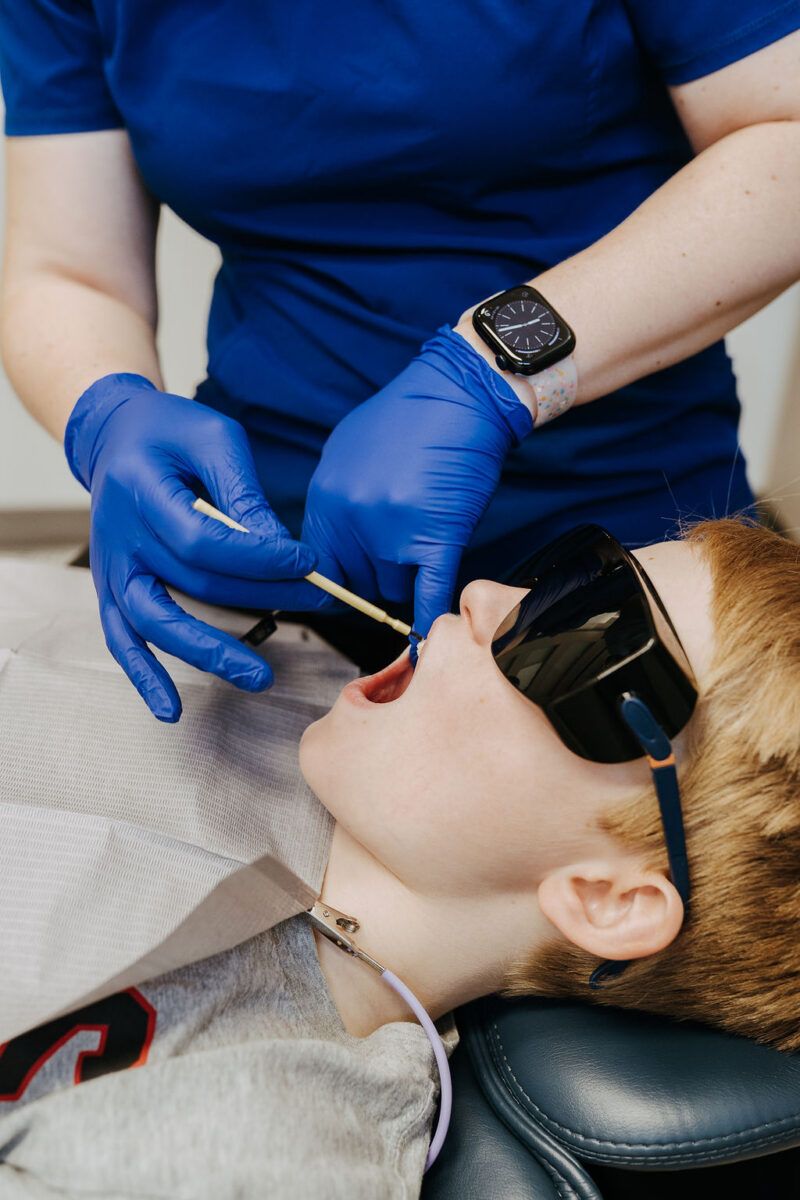
Fillings handle most cavities. The decayed portion is removed and the tooth is restored with a tooth-coloured filling. For many fillings we can use the Solea dental laser instead of the drill, which often means less freezing and a much calmer visit for nervous patients.
Crowns are for teeth where decay has destroyed too much structure for a filling to hold. With CEREC single-day crowns, we design, mill, and place the crown in one visit, so there is no temporary crown and no second appointment.
Root canal treatment becomes necessary when decay reaches the pulp inside the tooth. A root canal removes the infected tissue and saves the tooth. It has a scary reputation it no longer deserves, but it is still a bigger procedure than the filling that would have prevented it.
How to Prevent Cavities
Prevention is unglamorous and extremely effective:
- Brush twice a day with fluoride toothpaste. Fluoride actively re-mineralizes enamel, which is why the Canadian Dental Association recommends it for all ages.
- Floss daily. Cavities between teeth are the ones you cannot see coming.
- Confine sugary drinks and snacks to mealtimes instead of grazing.
- Drink water through the day, especially after snacks.
- Keep regular checkups so early decay gets caught while it is still a small fix.
For kids, sealants on the chewing surfaces of molars add another strong layer of protection. Ask about them at your child’s next visit.
And if the reason you have been putting off a checkup is dread of the drill, mention it when you book. A large share of our patients are nervous, and between the laser, careful pacing, and simply being told what is happening before it happens, most find the visit far easier than the one they had been imagining.
Frequently Asked Questions
What is the main cause of cavities?
Acid produced by plaque bacteria feeding on sugars and starches. The acid dissolves minerals in tooth enamel faster than saliva and fluoride can replace them, and a cavity forms where the enamel breaks down.
Can cavities heal on their own?
Only at the very earliest stage. A white-spot area of weakened enamel can re-mineralize with fluoride and better habits before a hole forms. Once an actual cavity exists, it cannot heal itself and will keep growing until it is treated.
How can I prevent cavities naturally?
Daily habits do most of the work: brushing with fluoride toothpaste, flossing, limiting how often sugar touches your teeth, and drinking water. No natural remedy repairs an existing cavity, so pair good habits with regular checkups.
When should I see a dentist for a cavity?
As soon as you notice sensitivity, staining, or a rough spot, and immediately if a tooth aches on its own. Even without symptoms, keep routine checkups, since most cavities are found on exams and X-rays before they can be felt.
Are cavities common in adults and children?
Yes, cavities are the most common chronic dental condition in both groups. Children’s newly erupted molars and adults’ aging fillings and receding gums each create their own risk, which is why prevention matters at every age.
The Takeaway
Cavities run on a timer. Caught early, they are a quick filling, often drill-free with the laser. Caught late, they are crowns and root canals. The difference between the two outcomes is usually just a checkup.
If a tooth has been whispering at you, let’s look at it before it starts shouting.