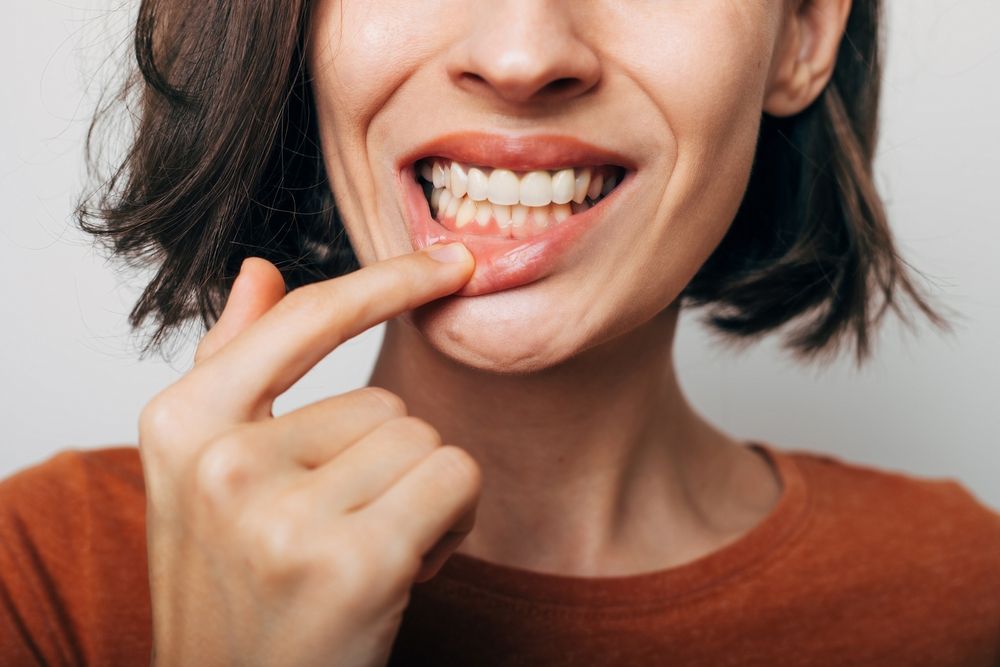
A missing tooth changes small things first. Which side you chew on. How wide you smile in photos. Whether you cover your mouth when you laugh. Then it changes bigger things, because the teeth around a gap drift and the bone underneath begins to shrink. Dental implants are the closest dentistry gets to growing the tooth back, and this guide covers how dental implants in Beausejour work, who they suit, and what the process honestly involves.
The short version: a dental implant is a titanium post placed in the jawbone that fuses with the bone over a few months, then carries a custom crown. Implants look, feel, and function like natural teeth, protect the bone that other options ignore, and can last decades. The trade-offs are cost and time: this is a months-long process, not a single visit.
What Dental Implants in Beausejour Actually Are
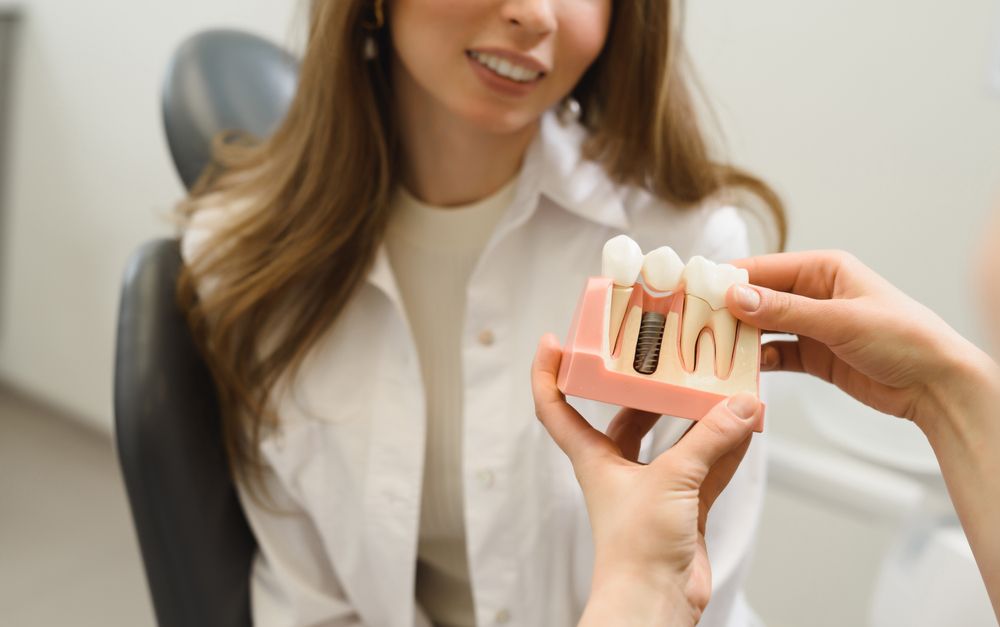
Three parts, working as one tooth:
- The implant post, a titanium screw placed in the jawbone where the root used to be. Bone grows onto titanium in a process called osseointegration, which is what makes implants so stable.
- The abutment, a connector that sits on the post.
- The crown, the visible tooth, custom-shaded to match its neighbours.
Because the post acts like a root, chewing forces travel into the jaw the way nature intended, and the bone stays stimulated instead of shrinking. That bone preservation is the quiet advantage bridges and dentures cannot match. MouthHealthy has a solid patient-level explainer if you want an outside source.
Why Get Dental Implants in Beausejour Instead of Driving In
Dental implants in Beausejour are a treatment that involves multiple appointments spread over months: consultation, placement, healing checks, and the final crown. Doing that in town instead of down the highway to Winnipeg is not a small convenience; it is six or more round trips saved, often in winter.
Dr. Norris places dental implants in Beausejour here at the clinic, and the restoration side benefits from the same CEREC technology and digital scanning we use for crowns, meaning digital impressions with no goopy trays. Consultation through final tooth, the whole path runs through one building at our dental implants service. Complex cases needing specialist care get referred honestly, and we will tell you at the consult which kind of case yours is.
The Process and the Real Timeline
- Consultation and imaging. X-rays and an exam establish whether there is enough healthy bone. This is where the plan and the real quote come from.
- Placement. The post goes in under local freezing. Most patients compare the recovery to a tooth extraction: a few days of soreness, managed with ordinary medication.
- Healing. Osseointegration takes roughly three to six months. You will have a temporary solution for a visible gap; nobody walks around toothless.
- Abutment and crown. Once the post is solid, the connector and final crown complete the tooth.
Start-to-finish dental implants in Beausejour usually run four to eight months. Anyone promising dramatically faster for a standard case is skipping the step that makes implants last.
Who Is (and Isn’t) a Good Candidate
Most healthy adults with a missing tooth qualify. The honest exceptions:
- Insufficient bone where the tooth has been gone for years. Often fixable with grafting, which adds time and cost.
- Uncontrolled diabetes or gum disease, both of which sabotage healing. Get them managed first, then implant.
- Smoking, which roughly doubles implant failure rates. We will say this plainly at the consult because it genuinely changes the odds.
Missing several teeth or a full arch does not rule implants out. Two to four posts can anchor implant-supported dentures, which is often the best-value route for full-arch cases.
Implant, Bridge, or Denture?
| Implant | Bridge | Partial denture | |
|---|---|---|---|
| Lifespan | 20+ years, often life | 10-15 years | 5-10 years |
| Neighbouring teeth | Untouched | Ground down as anchors | Clasped, some wear |
| Bone preservation | Yes | No | No |
| Feel | Like a natural tooth | Fixed, natural-ish | Removable |
| Upfront cost | Highest | Middle | Lowest |
The upfront-cost row deserves context: a bridge replaced twice and a rebuilt anchor tooth can cost more over 25 years than the implant did once. Cheapest today and cheapest overall are frequently different columns.
How long do dental implants last?
The titanium post can last a lifetime with good hygiene and regular checkups; the crown on top typically lasts 15 to 25 years before wear justifies replacement. Implants have among the highest long-term success rates of any dental treatment, above 95 percent.
Is getting a dental implant painful?
Placement is done under local freezing and most patients report less discomfort than they expected, comparable to a tooth extraction. Soreness for a few days afterward is managed with ordinary pain medication. The long healing phase is uneventful rather than painful.
How much do dental implants cost?
An implant is the most expensive single-tooth replacement upfront, and the exact figure depends on grafting needs and the final crown. Insurance coverage varies. You get a complete written quote at the consultation, and it is fair to weigh it against the replacement cycle of cheaper options.
How long does the implant process take?
Typically four to eight months from consultation to final crown, most of which is quiet healing time while the bone fuses to the post. Cases needing bone grafting run longer. A temporary tooth covers any visible gap during healing.
Can dental implants fail?
Rarely, but yes. Failure risk concentrates in smokers, uncontrolled diabetes, and untreated gum disease, and in implants that skip adequate healing time. With a healthy candidate and proper aftercare, success rates run above 95 percent over decades.
The Takeaway
Dental implants in Beausejour are the only tooth replacement that protects the bone, spares the neighbouring teeth, and can genuinely last for life, and the entire process is available here in Beausejour without the highway miles. The right starting point is a consult and an X-ray, which turn all the “it depends” answers above into your actual numbers.