If it has been a few years since your last appointment, the appointment itself can feel like the unknown. What are they going to find? Will there be a lecture? How long does this take? Knowing exactly what happens in the chair removes most of that dread, so here is the honest walkthrough.
The short version: dental checkups have four parts. We review your health history, examine your teeth, gums, and mouth, take X-rays only when they are actually needed, and finish with a professional cleaning. A routine visit takes about 45 to 60 minutes, and nothing happens without you knowing what and why.
What Happens During Dental Checkups
1. A quick review of your history
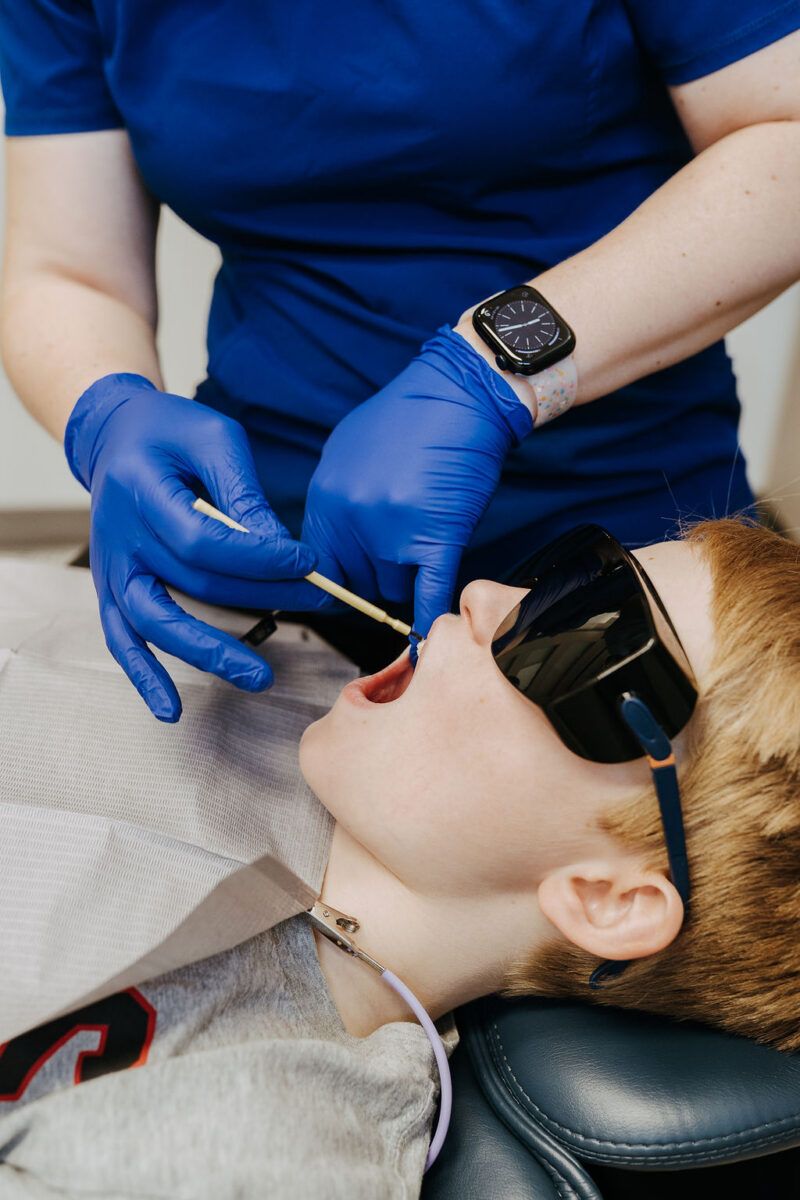
Your appointment starts with a conversation, not instruments. We update your medical and dental history, ask about medications, and ask whether anything has been bothering you. Sensitivity to cold, bleeding when you floss, a spot your tongue keeps finding. Small details here often point the exam in the right direction.
2. The oral examination
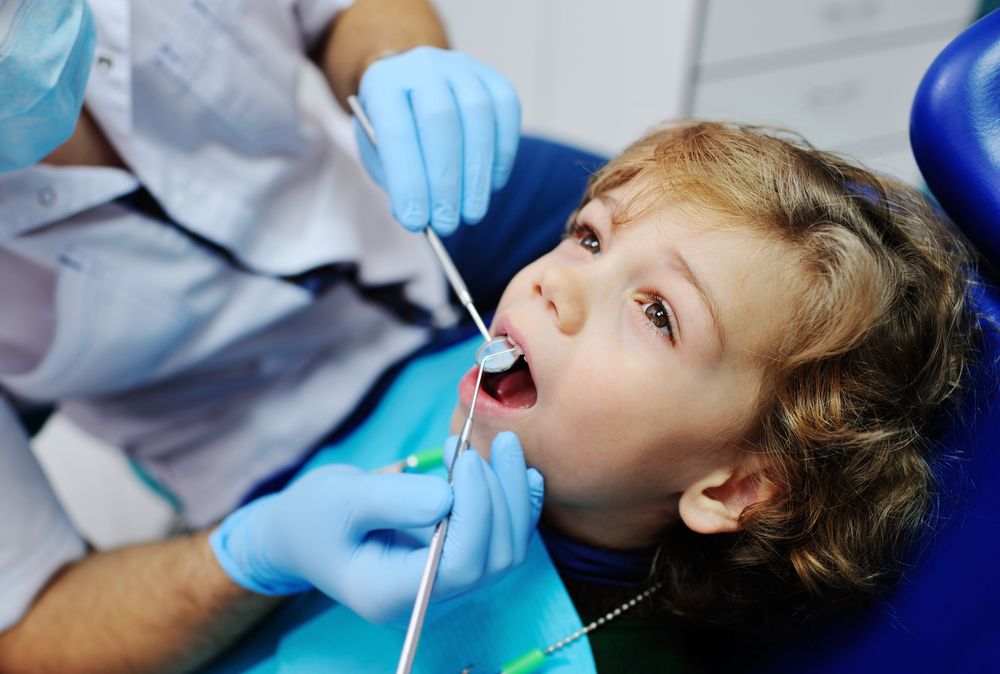
The dentist checks each tooth for decay and damage, examines your gums for signs of disease, and looks at your tongue, cheeks, and the soft tissues of your mouth. This includes screening for oral cancer, which takes about a minute and is one of the quiet reasons regular dental checkups matter. Existing fillings and crowns get checked too, since dental work wears just like teeth do.
If you hear numbers being called out during the exam, that is gum pocket measuring: a tiny probe checks the depth of the space between tooth and gum. Healthy pockets run one to three millimetres. Deeper readings are an early flag for gum disease, often years before you would notice anything yourself.
3. X-rays, when they are needed
X-rays show what the eye cannot: decay between teeth, problems below the gumline, and issues at the roots. They are not automatic at every visit. Frequency depends on your age, your history, and what the exam finds. If you are due, we will say so and explain why. Health Canada’s oral health guidance is a good plain-language resource if you like reading up before a visit.
4. The professional cleaning
A hygienist removes plaque and tartar, polishes your teeth, and flosses. Tartar is the hardened buildup that home brushing cannot remove, and clearing it is the single most protective thing that happens during the visit. If your gums bleed a little during a cleaning after a long gap, that is common and improves quickly with regular care.
The visit ends with a conversation, not a bill surprise. If anything needs treatment, you will hear what it is, how urgent it is, and what the options are, and you decide from there. Nothing gets booked over your head.
Why Regular Dental Checkups Matter
Cavities and gum disease share an inconvenient trait: they are usually painless until they are advanced. By the time a tooth aches, the easy treatment window has often closed.
Checkups flip that timeline. Decay gets caught while it is a small filling. Gum disease gets caught at the gingivitis stage, when it is still fully reversible. The exam also tracks things you would never monitor yourself: worn fillings before they crack, grinding damage, how a child’s adult teeth are coming in. And because our team includes several dentists with different special interests, anything that does need treatment can usually be handled here in Beausejour rather than through a referral and a drive to Winnipeg.
How to Prepare for Your Appointment
There is not much homework, but a few things help:
- Brush and floss before you come in
- Bring a list of medications, including supplements
- Mention any symptoms, even minor ones, at the start
- If you are a nervous patient, tell us when you book so we can pace the visit
- Arrive a few minutes early if you are new, so paperwork does not eat into your appointment
That last point matters more than people expect. A large share of our patients describe themselves as anxious about the dentist, and visits go better when we know that up front. You can always contact us ahead of time with questions.
Frequently Asked Questions
How often should I schedule dental checkups?
Every six months works well for most people. Your dentist may recommend a shorter or longer interval based on your gum health, cavity history, and overall health. The right schedule is personal, and it gets set at your first visit back.
Do dental checkups include professional teeth cleaning?
At our clinic, yes. A routine checkup and cleaning are booked together, so one appointment covers the exam, any needed X-rays, and the hygiene visit. Occasionally heavy buildup requires a separate, longer cleaning appointment.
Are dental X-rays needed at every appointment?
No. X-ray frequency depends on your age, dental history, and current risk. Many adults with healthy mouths only need them every couple of years. Your dentist should always be able to tell you why an X-ray is being recommended.
How long does do routine dental checkups take?
Plan for about 45 to 60 minutes for a checkup with a cleaning. A first visit after a long gap can run longer because the exam is more thorough and there may be more buildup to remove.
What should I do if I haven’t visited the dentist in years?
Just book. There is no lecture waiting for you. The first visit back is an exam, likely X-rays, and a cleaning, followed by an honest conversation about anything that needs attention and in what order. Going years without care is common, and dealing with it now is always cheaper than later.
The Takeaway
Dental checkups are a predictable, low-drama hour: a conversation, an exam, X-rays if warranted, and a cleaning. The visit itself is easy. The value is in what it prevents.
Evenings and two Saturdays a month are available if weekdays are the obstacle.